The wells that supply water to members of the Palo Alto Park Mutual Water Company (PAPMWC) are under serious strain. Some wells are damaged, some are producing poor-quality water, and others have already failed. This section summarizes the current status of each well.
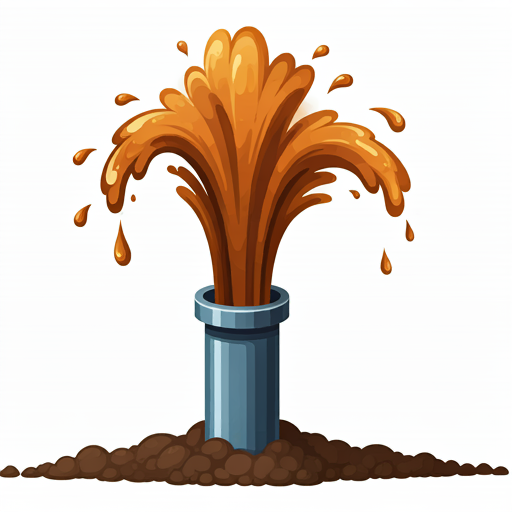
Well 7
Normally not used because of high levels of manganese, iron, and aluminum. These are secondary contaminants that affect the look, taste, and smell of the water.
- Aluminum: colored water
- Iron: rusty color, sediment, metallic taste, reddish/orange staining
- Manganese: black to brown color, black staining, bitter metallic taste
Well 6
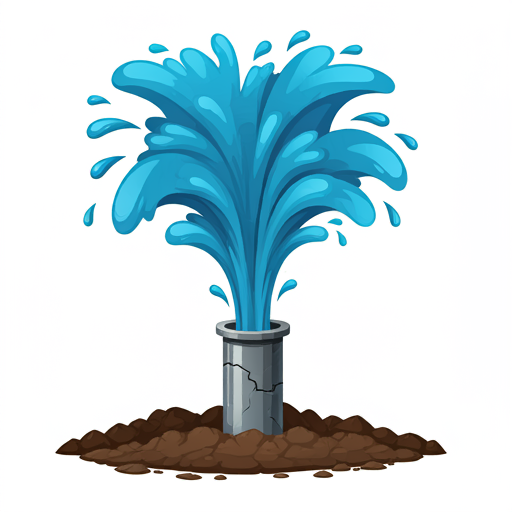
Has failed three times in the last two years. The casing is cracked and state officials say it can fail catastrophically at any time. Temporary repairs limit it to about 80% of flow capacity.
Without Well 6 operating reliably, PAPMWC cannot meet peak summer demand.
Well 5
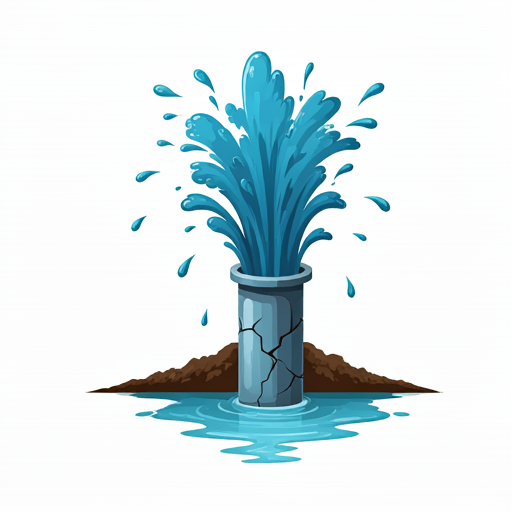
Damaged and can only produce about a quarter of the flow that Well 6 produces. On its own, it cannot carry the system during high demand periods.

Well 3
Failed completely many years ago. Plans submitted in 2021 to drill a replacement well (“Well 3R”) were rejected as incomplete, and a fully approved replacement plan still does not appear to be in place.
What the State Water Board Told Us
In a conversation with Van Tsang, a supervisor at the State Water Resources Control Board, we received the following key points:
- According to logs, Wells 5, 6 and 7 currently produce about 78 gpm, 280 gpm and 300 gpm, respectively.
- The maximum day demand for the system, based on data from January 2017 to July 2023, is approximately 593,000 gallons per day.
- Combined production from Wells 5 and 7 or Wells 5 and 6 cannot meet peak summer demand.
- Production from Wells 6 and 7 together can meet peak demand, but Well 7 alone cannot.
- There is no immediate threat in fall and winter, when demand is low—unless Well 7 fails while Well 6 is still compromised.
- The maximum day demand calculation does not account for unusual surges such as a fire or a major main break.
- Including the latest incident, the casing for Well 6 has failed three times in two years, and all repairs are temporary; the well can catastrophically fail at any time.
From PAPMWC’s Own Public Notice
PAPMWC has acknowledged many of these issues in its own public notification:
Public Notification Update: Well Activation and Water Quality Advisory
To meet current water demands, Well 7 was activated on November 6, 2024, while Well 6 is temporarily out of service for repairs. Well 7 will only be used if Wells 5 and 6 cannot fully meet system demand.
The water quality from Well 7 is not as high as from our other wells. In the past, Well 7 has exceeded Secondary Maximum Contaminant Levels (SMCL) for iron, manganese, and aluminum. These exceedances do not pose a health hazard but may have aesthetic effects such as colored water, rusty or black staining, sediment, and metallic or bitter tastes.
We encourage customers to conserve water to reduce strain on the supply. Simple actions like fixing leaks, taking shorter showers, and reducing lawn watering can help.
We are working with the State Division of Drinking Water and contractors to drill a new replacement well (Well 3R).
What This Means for Our Community
PAPMWC is currently relying on aging, damaged wells, one of which (Well 7) delivers noticeably poorer-quality water and another (Well 6) that state officials say could fail at any time. The system can meet peak demand only when Wells 6 and 7 are both available, leaving little margin for emergencies.
The company is under an order by the state to fix its capacity problems, but the company has said to the state it cannot. As a result, the state is using grant money to hire their own consulting company to determine the best way forward, and may eventually force the company to comply with the recommendation of the engineering company.
As neighbors, we can:
- Stay informed about the status of the wells and any state actions.
- Conserve water to reduce pressure on the system, especially during hot months.
- Elect a new board.
If you have questions or want to get involved, contact us at neighborsfbw@gmail.com.